
The Starting Solids List

Time for the big bites! From bibs to baby-led weaning basics, this list has everything you need to make mealtime less messy and more fun
Starting solids is a big milestone and a mess-friendly one. Our checklist covers the high chair, feeding tools and food prep gear you need to make the transition from milk to first foods smoother for both of you, whether you're spoon-feeding purees or exploring baby-led weaning.
📋 Printable starting solids checklist
Download & Print →
Feeding Setup
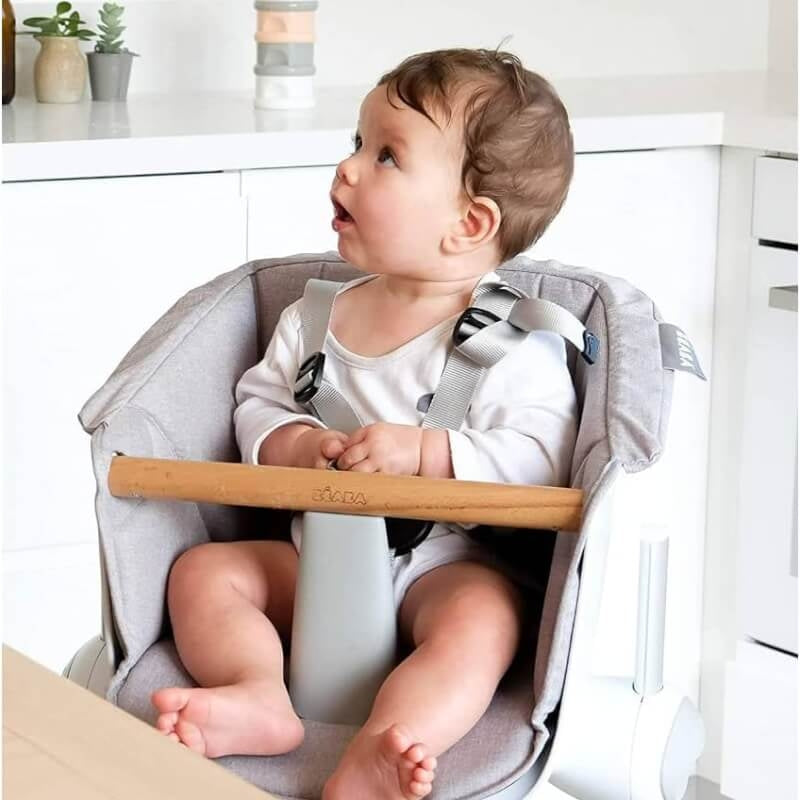
High Chairs
An adjustable high chair that grows with your baby, with a secure harness and easy-clean surfaces for the inevitable mess of those first meals.
Shop High Chairs →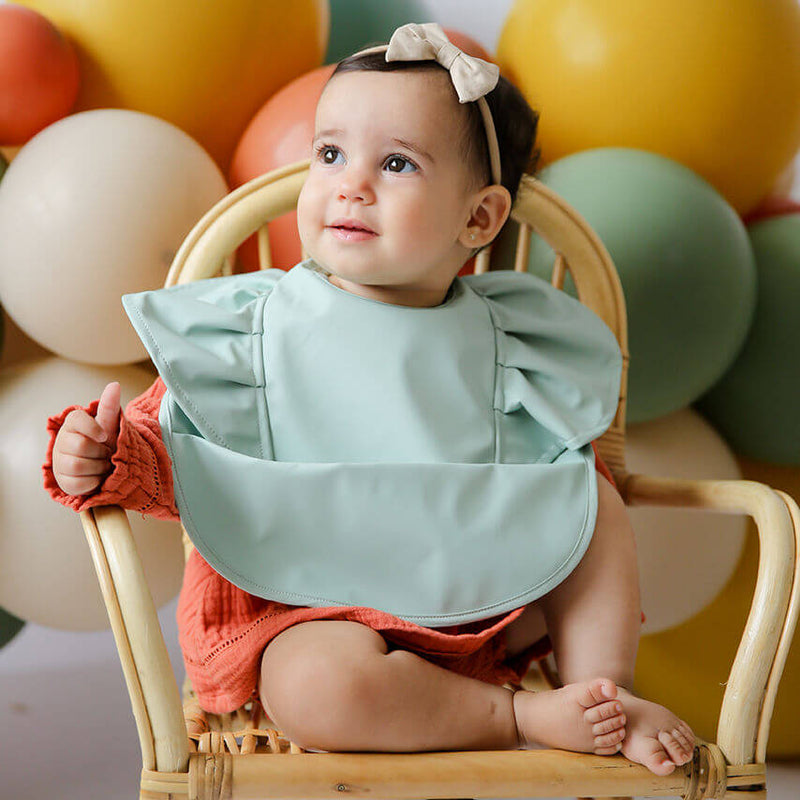
Bibs
A soft, waterproof bib that catches spills and drips without feeling stiff or scratchy against baby's skin — ideal for messy first-food sessions.
Shop Bibs & Burp Cloths →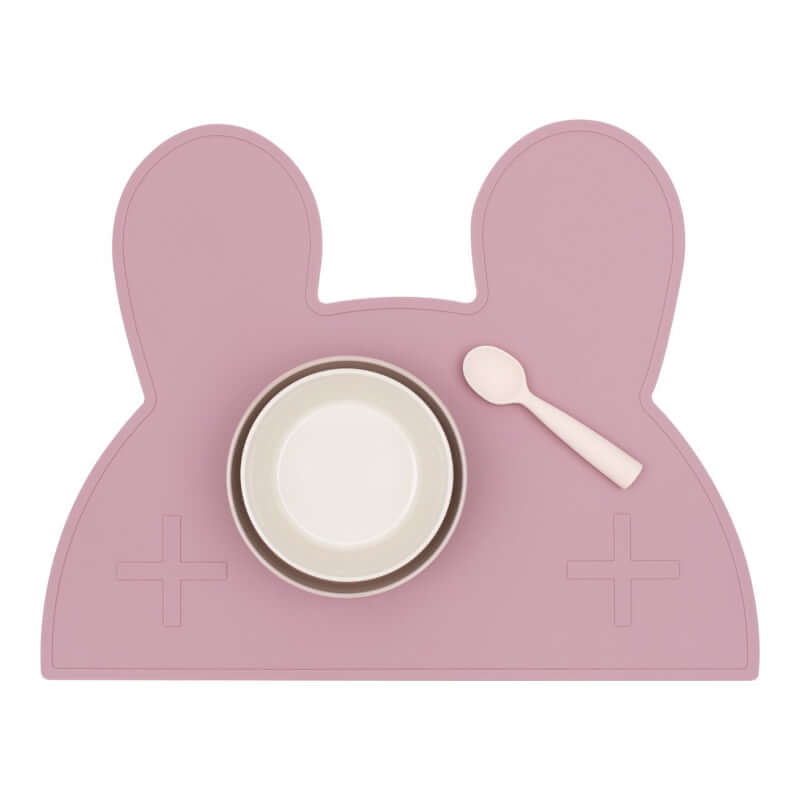
Placemats
A suction placemat that stays put through enthusiastic self-feeding, helping contain the mess to one washable spot at the table.
Shop Placemats →Utensils & Tableware

Pre-Spoons
Soft-tipped silicone spoons designed for tiny mouths just learning to eat from a spoon, gentle on developing gums.
Shop Utensils →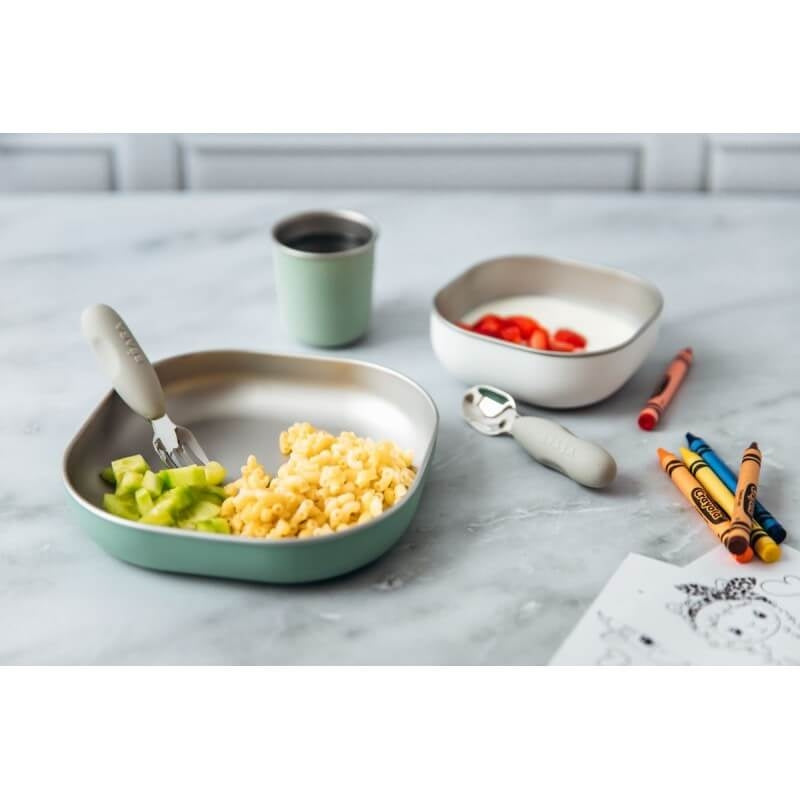
Stainless Steel Feeding Set
A durable, plastic-free bowl and plate set in food-grade stainless steel — a popular choice for parents wanting to avoid plastic at mealtimes.
Shop Bowls, Plates & Sets →
Silicone Suction Feeding Set
A suction bowl and plate set that grips the tray or table, reducing thrown food and tipped bowls during independent feeding.
Shop Bowls, Plates & Sets →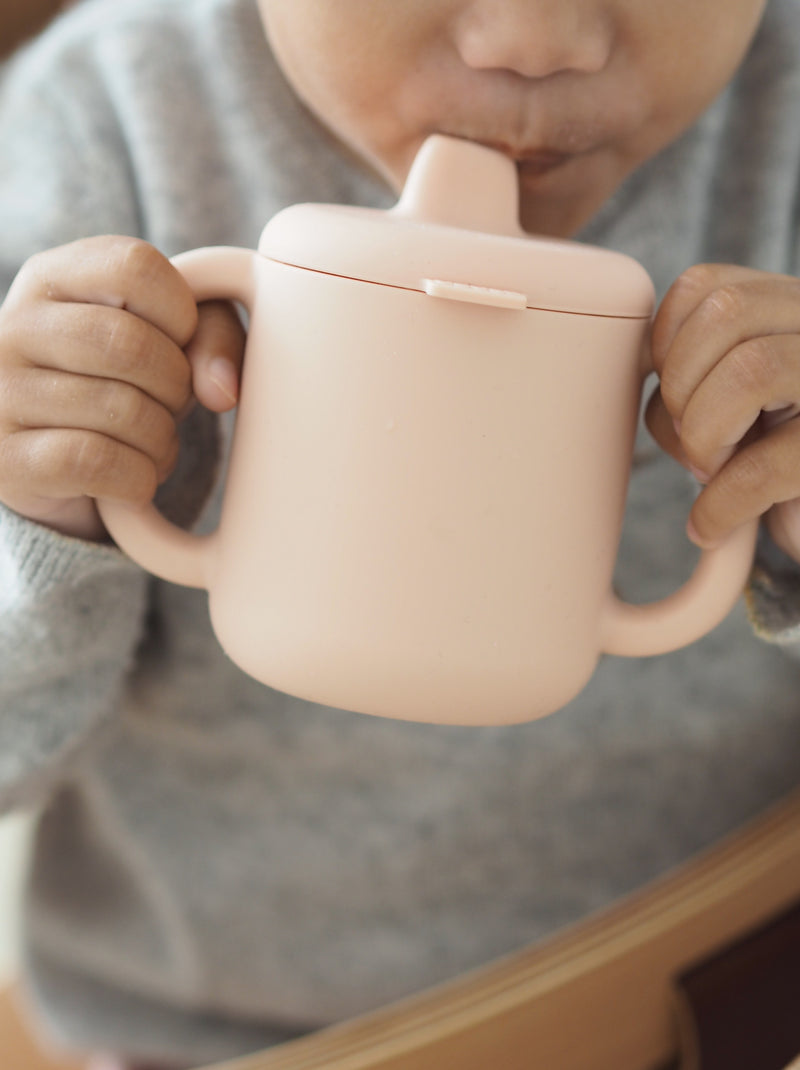
Sippy Cups
A soft, flexible sippy cup that helps babies transition from bottle or breast to independent drinking during mealtimes.
Shop Cups & Sippys →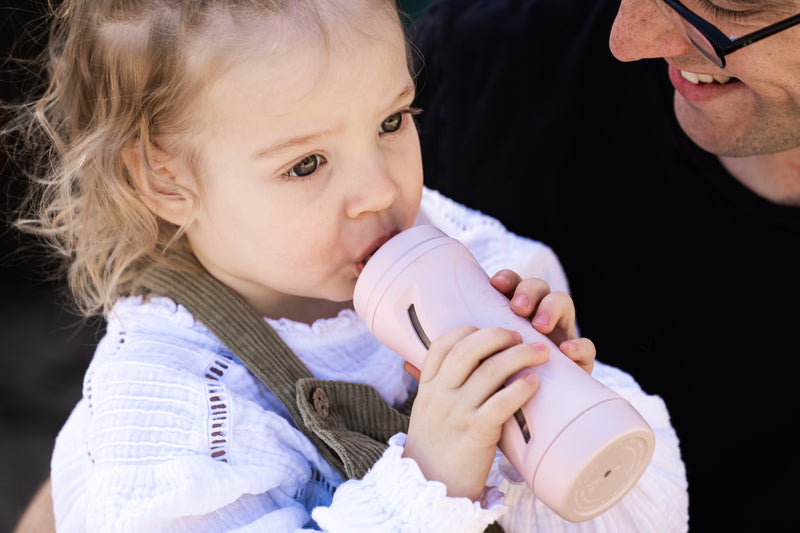
Reusable Pouches
Fill your own reusable pouches with homemade purees, snacks or yoghurt for spill-resistant meals and snacks on the go.
Shop Re-Usable Pouches →Food Prep & Storage
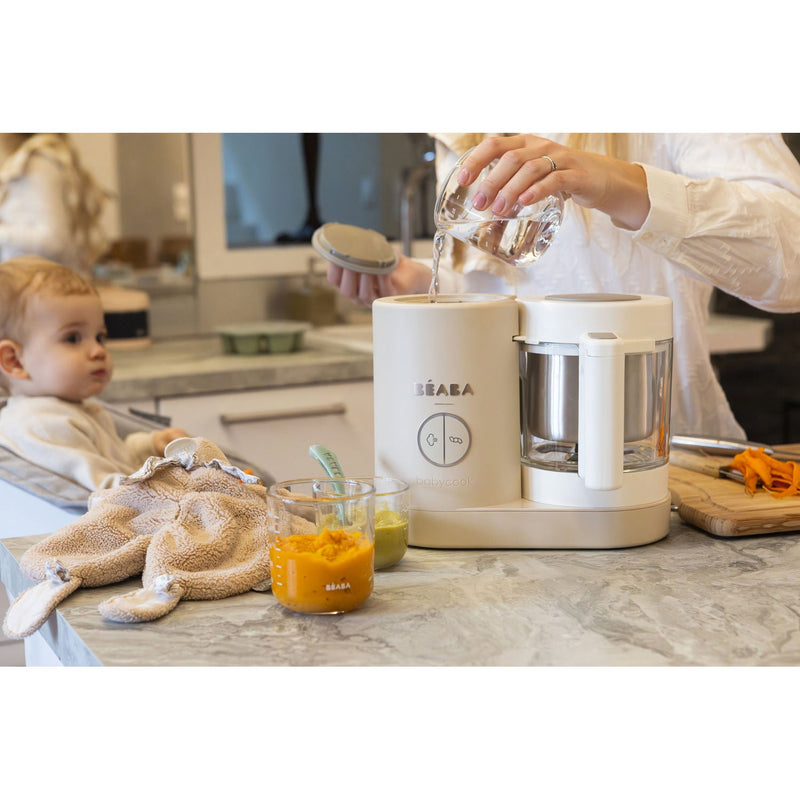
Baby Food Makers
Steams and blends in one appliance, making it quick and easy to batch-prep fresh purees from real ingredients at home.
Shop Baby Food Makers →
Glass Food Storage
Portioned glass and silicone containers for storing homemade purees in the fridge or freezer, without the chemical leaching concerns of some plastics.
Shop Freezer Trays & Pots →
Multiportions
A silicone freezer tray for portioning batch-cooked purees into perfectly sized servings, ready to pop out and reheat.
Shop Freezer Trays & Pots →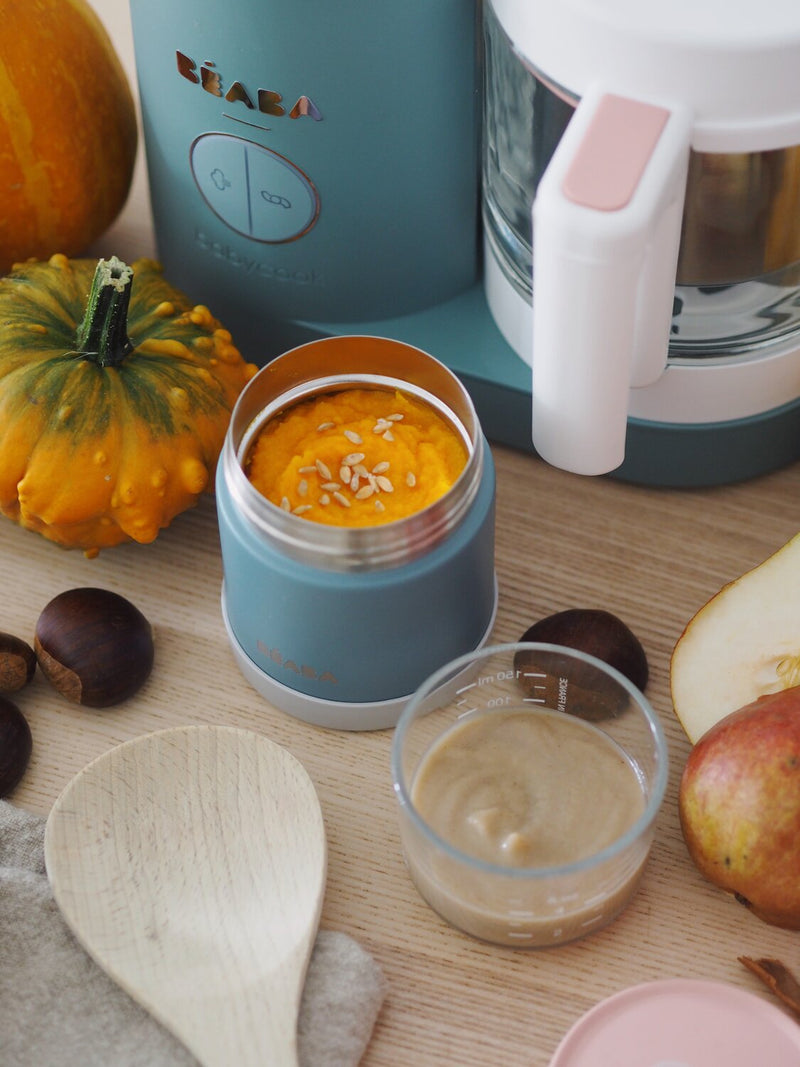
Insulated Food Jars
Keeps homemade meals warm or cool on the go, so daycare drop-offs or outings don't mean sacrificing a proper hot meal.
Shop Thermal Flasks →Further Reading
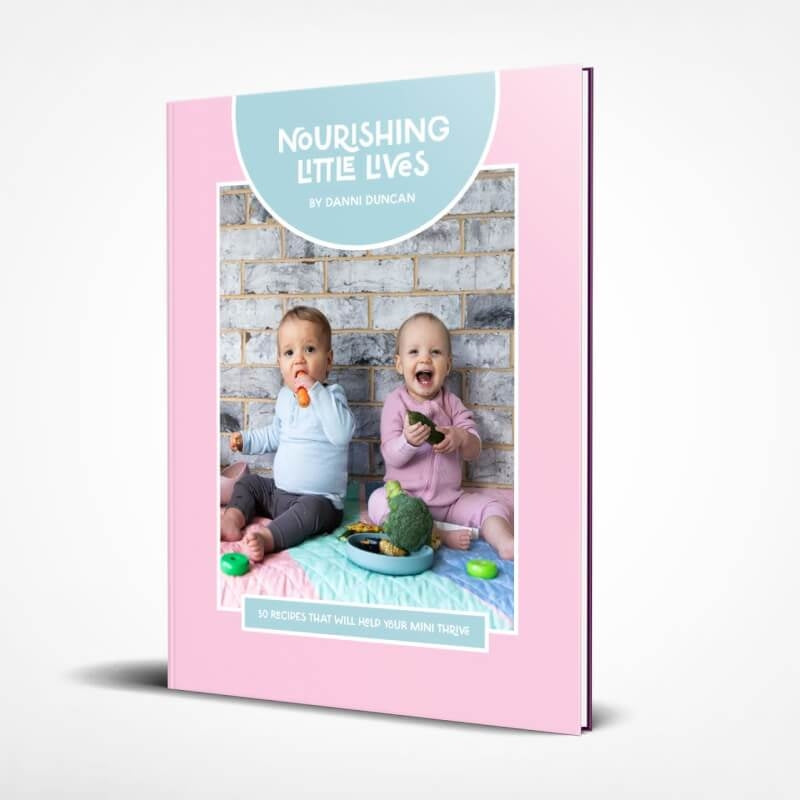
Nourishing Little Lives
A guide to feeding your baby well from the very first bites, covering nutrition basics, allergen introduction and practical meal ideas.
FAQs
Is making your own baby food better than buying it?
Homemade baby food gives you full control over ingredients, freshness and texture, with no added preservatives or thickeners — and it's often more cost-effective for the volume a growing baby gets through. It also makes it easy to introduce a wide variety of flavours and textures early, using whatever the family is already eating. Store-bought purees are still a nutritionally sound, convenient option, and many parents use a mix of both — a food maker just makes the homemade side of that mix much easier.
Why do some parents choose stainless steel over plastic for feeding?
Stainless steel doesn't stain, retain odours, or degrade the way some plastics can with repeated washing and heat exposure. It's also naturally free from the chemicals used in some plastics, which is why it's become a popular choice for parents wanting a simpler, more durable option at mealtimes.
What are microplastics, and why does it matter for baby feeding gear?
Microplastics are tiny plastic particles that can shed from some plastic products over time, particularly with scratching, heat, or repeated washing. While research into their health effects is still developing, many parents choose to reduce their baby's exposure where practical by opting for stainless steel, glass, or food-grade silicone feeding gear instead of plastic — especially for anything that regularly holds hot food.
Can homemade baby food be frozen?
Yes — portioning purees into small freezer-safe containers or trays makes batch cooking practical and cuts down on daily prep. Label containers with the date, and follow safe freezing and reheating practices to keep food safe.